
Today, I see religions as stalls, shelves from which one helps oneself, boxes into which one plunges one’s hands to pull out elements that clutter our minds.
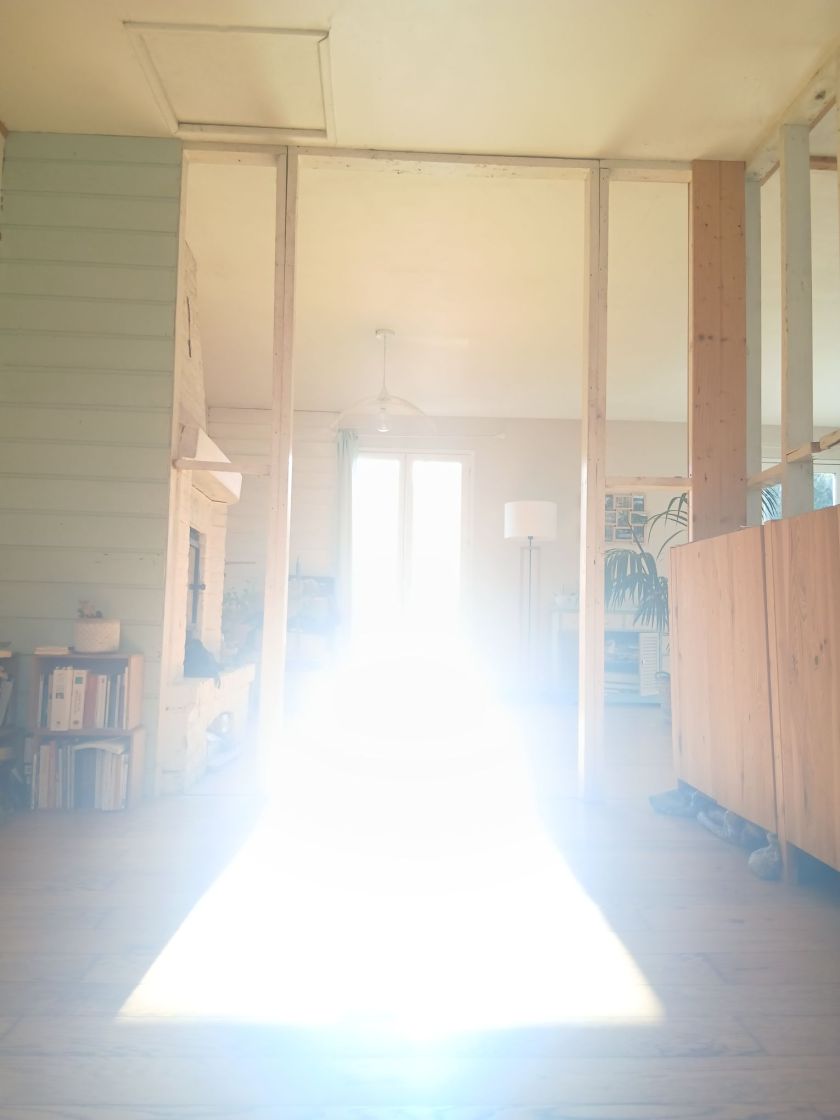
When a house has no soul, the residents redouble their efforts to acquire furniture and decorative accessories in order to organize an interior space, to adorn it with a coherence it does not possess. Each wave of purchases in dedicated stores adds another layer of elements to reinforce a previous touch or counteract an overly prominent one.
This construction of aesthetic harmony is artificial and, in reality, reveals the fluctuating identities and the quests for self-discovery that plague the residents.
When the soul finds its home, all decorative concerns vanish, and the house itself disappears.

